
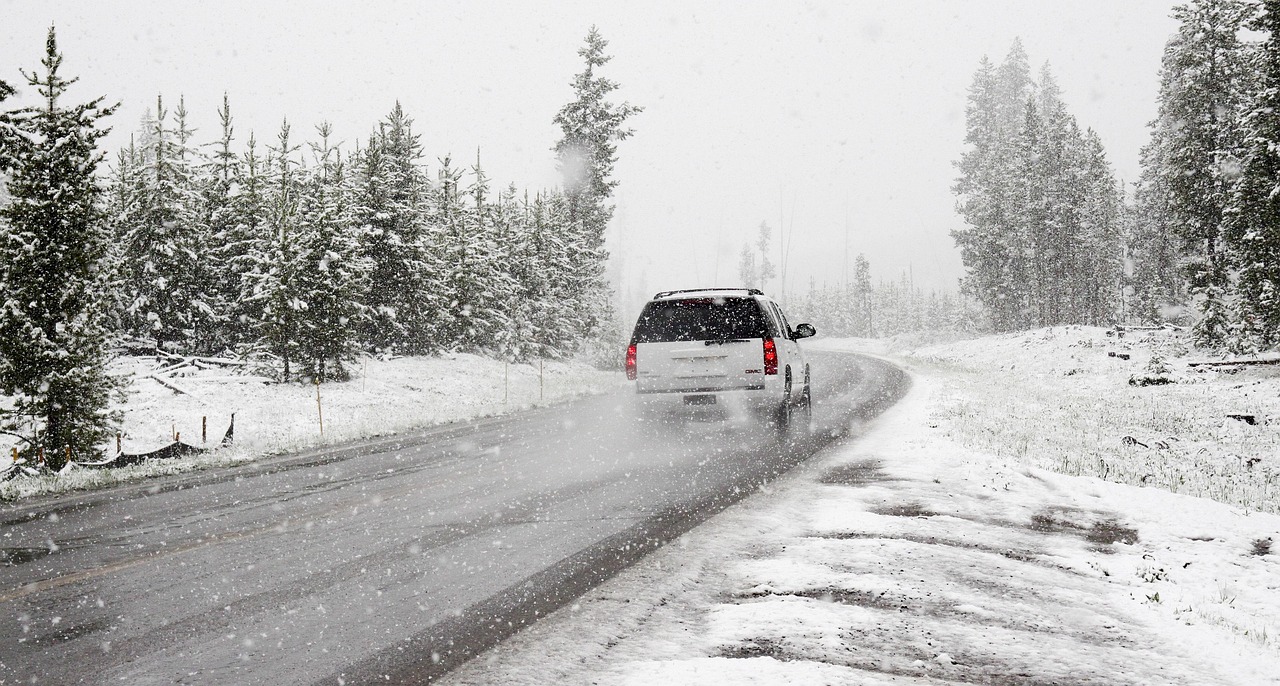
North Wales has some of the most varied and challenging winter driving conditions in the UK. The A55 coastal expressway can be battered by storms off the Irish Sea, while roads through Snowdonia can be closed entirely by snow and ice. Are your tyres genuinely ready?
The Problem With Standard Tyres in Cold Weather
Standard summer tyres are made from a compound that hardens in cold temperatures. Below 7°C, they lose grip significantly — even on dry roads. Most UK drivers don’t realise their standard tyres are compromised long before ice appears.
Winter Tyres vs All-Season Tyres
Winter tyres use a softer compound that remains flexible below 7°C, plus deeper tread patterns with additional sipes (tiny cuts that create more biting edges in snow and ice). They outperform all-season tyres in severe conditions.
All-season tyres are a compromise — better than summer tyres in cold weather, but not as capable as dedicated winters in heavy snow or ice. For most North Wales drivers who encounter occasional frost and rain rather than deep snow, all-seasons are a practical middle ground.
Key Winter Tyre Checks
- Tread depth: Winter tyres lose effectiveness below 4mm — replace earlier than you would summer tyres.
- Pressure: Cold air contracts, so tyre pressure drops in winter. Check monthly and compensate.
- Age: Rubber deteriorates over time. Any tyre over 6–7 years old should be assessed for winter use.
Snowdonia and Mountain Road Advice
If you regularly travel through Snowdonia — on the A4086 through the Llanberis Pass, the A498 via Pen-y-Pass, or the B4407 via Cwm Penmachno — winter tyres are strongly recommended. These roads can be icy and snow-covered from October through March.
Emergency Tyre Help in Winter
Tyres are more vulnerable in winter — cold makes rubber brittle and potholes more damaging. If you suffer a puncture or blowout on a North Wales road, Logistic Move offers 24/7 mobile tyre fitting including in winter conditions. Call 07768 491888.